Despite the hours and hours of planning, there are a few unexpected details we stumbled upon while Building Spring Island. Most are fairly simple and might go unnoticed, but here are a couple worth mentioning.
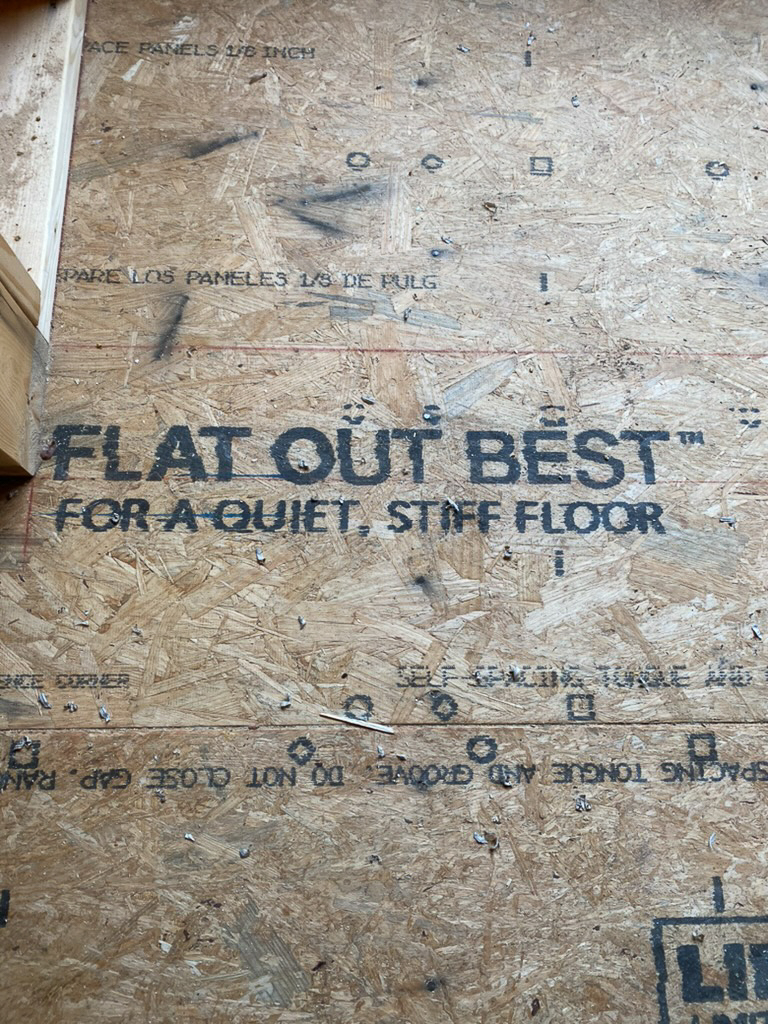
First, SOUND ABSORBING FLOOR BOARD is a real thing! I belong to a family of stompers – they are not light-footed and in our other homes you can hear them coming at all hours of the day. What a great surprise that our builder always defaults to using this sub flooring. Life changing.
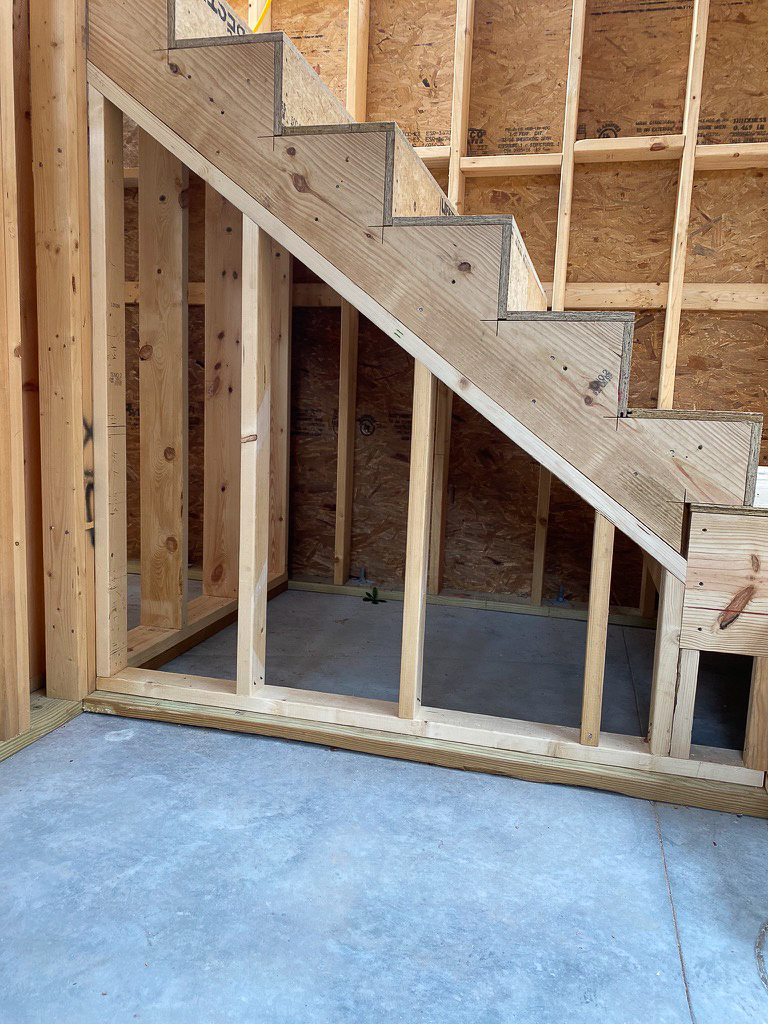
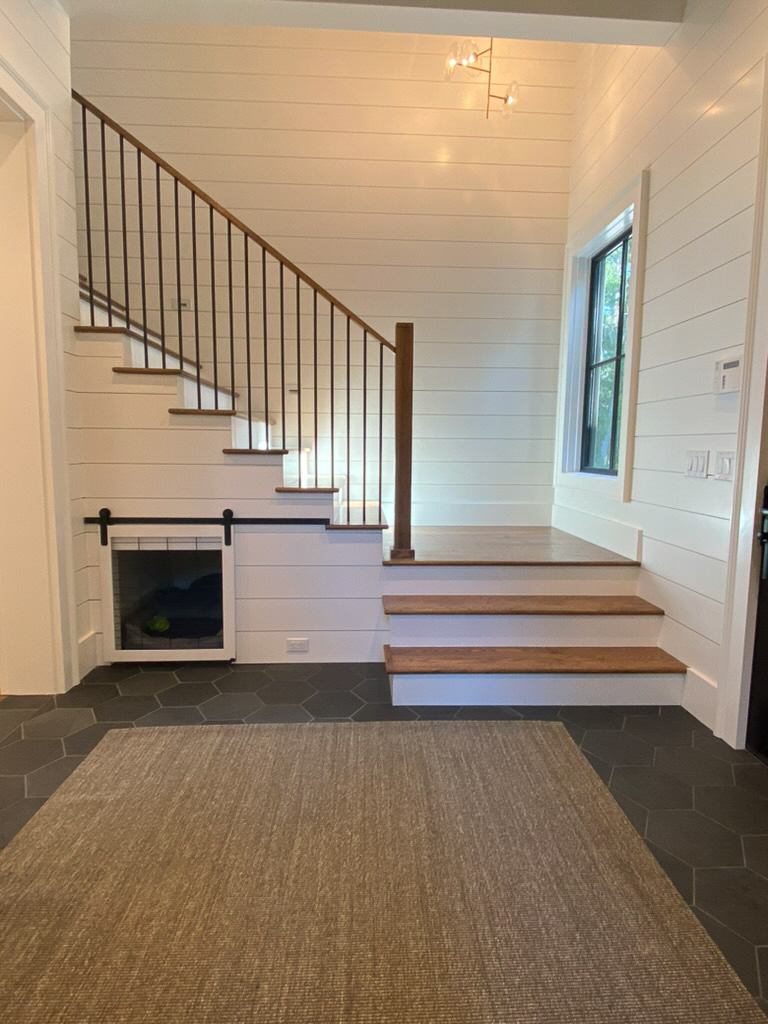
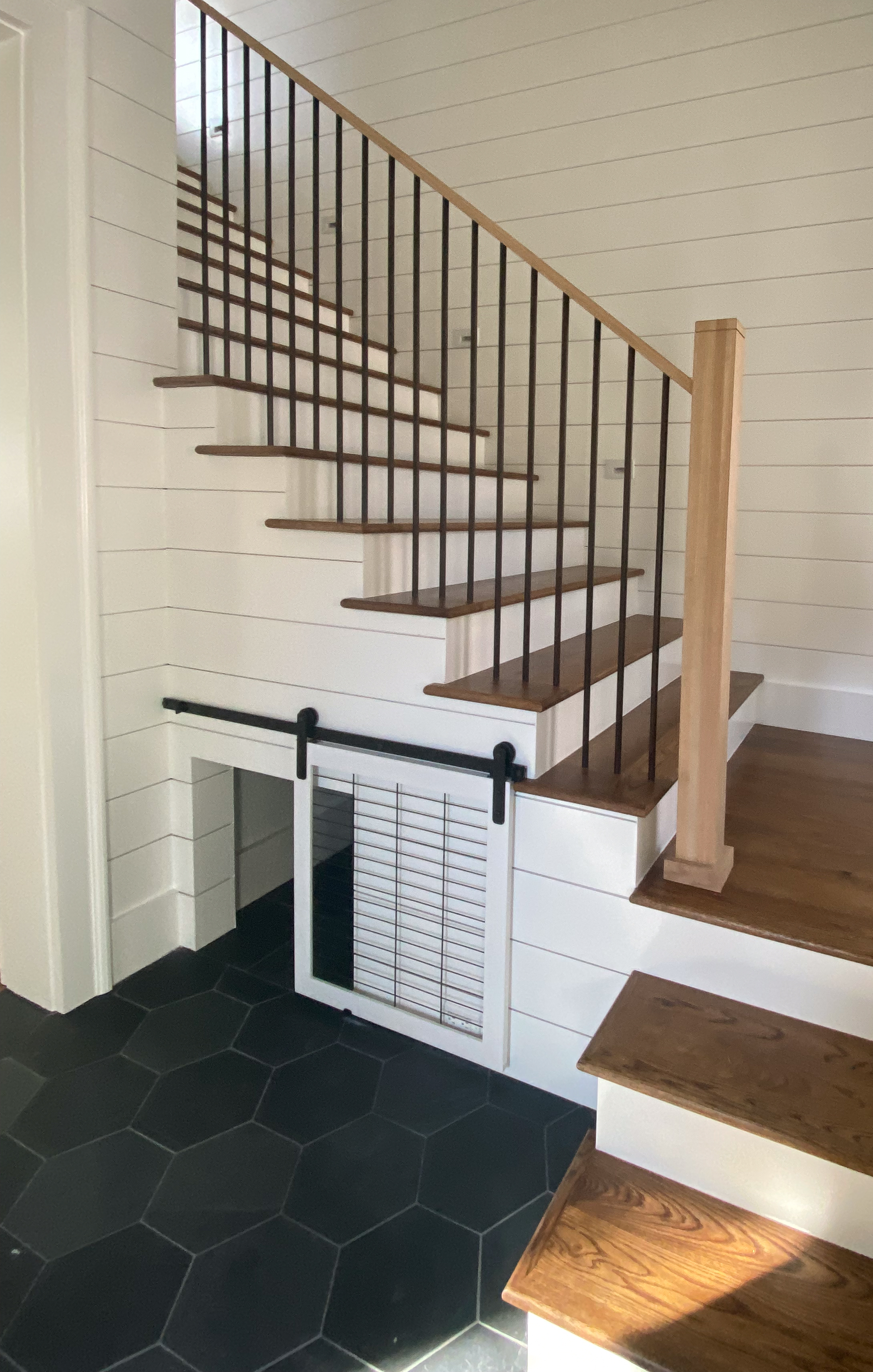
Second, every inch of space has potential use. We carved out this dog bed area under the stairs. Maisie loves it, and I love not tripping over her bed.
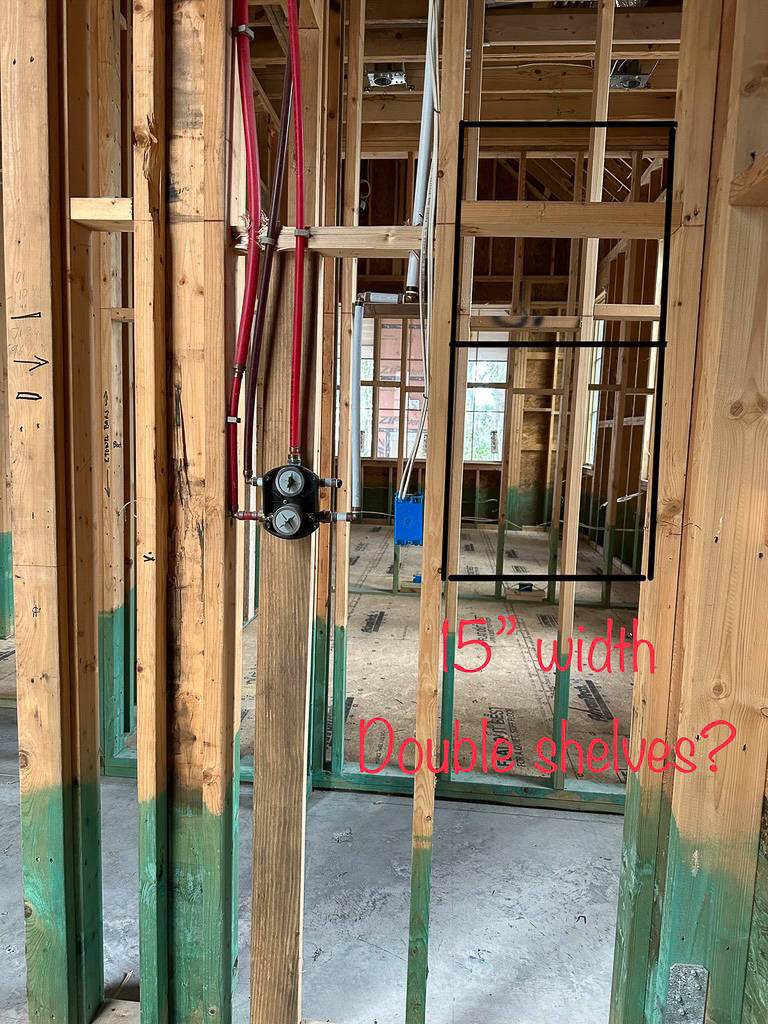
We also carved out stone niches in each shower to create built in ledges for shampoo bottles.
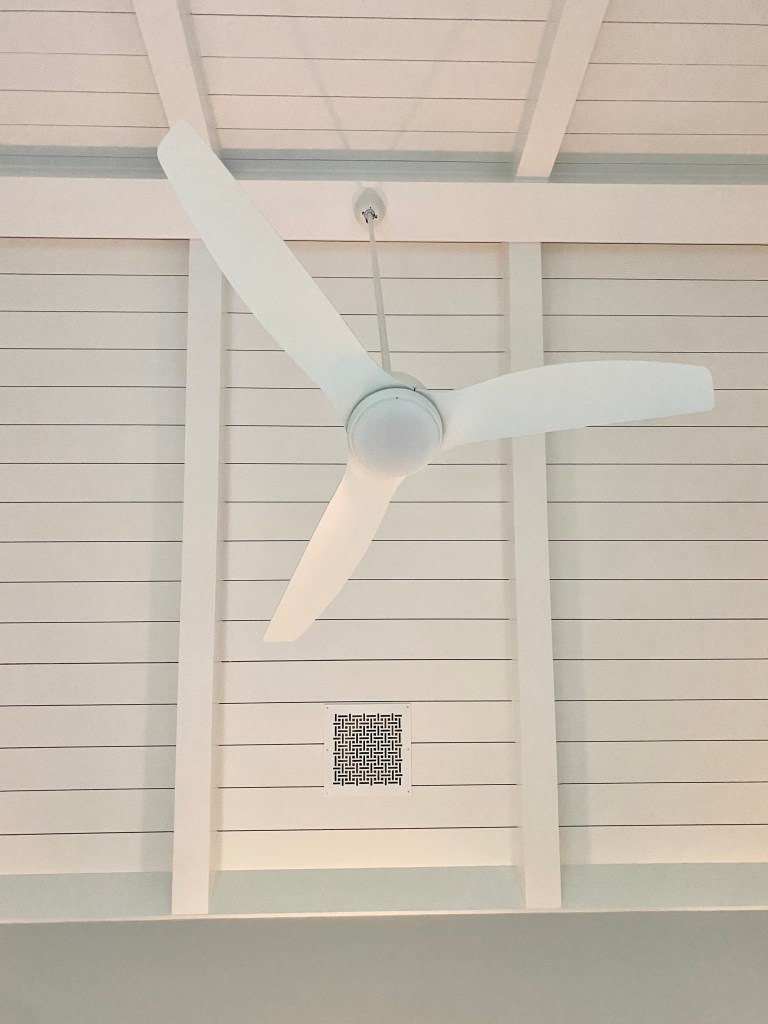
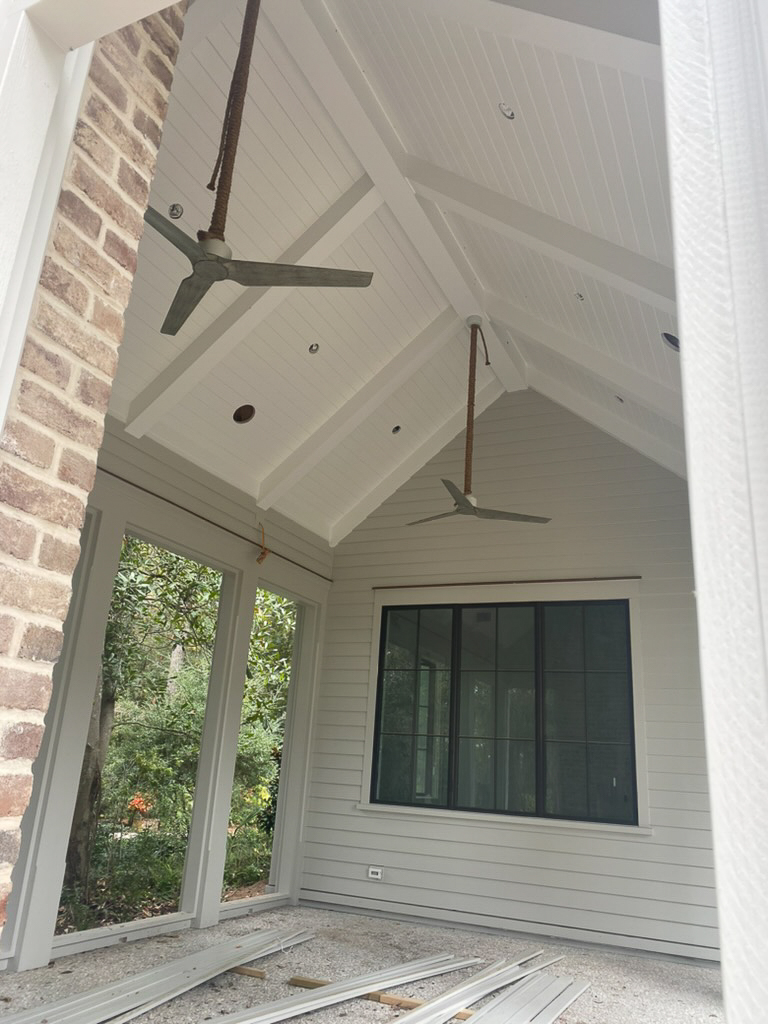
Third, CEILINGS should NOT BE IGNORED! Consider the entire space as you design. The added depth and drama will be noticed.
And, you have to BE SPECIFIC when placing light fixtures — “over the island” is not enough. “CENTERED over the island” is better; otherwise heads get knocked. This was our kitchen island before pendants were re-centered.
We’ve had plenty more un-planned surprises for sure. How about you? What’s the most unexpected thing you encountered while building? Let’s compare notes!
When selecting materials for the house, I made a commitment to study and be inspired by South Carolina’s incredible natural beauty. It wasn’t hard to do, given how breath-taking it can be when caught in the right light and allowed to marinate a bit in your mind. Here are a few of my favorite pairings.
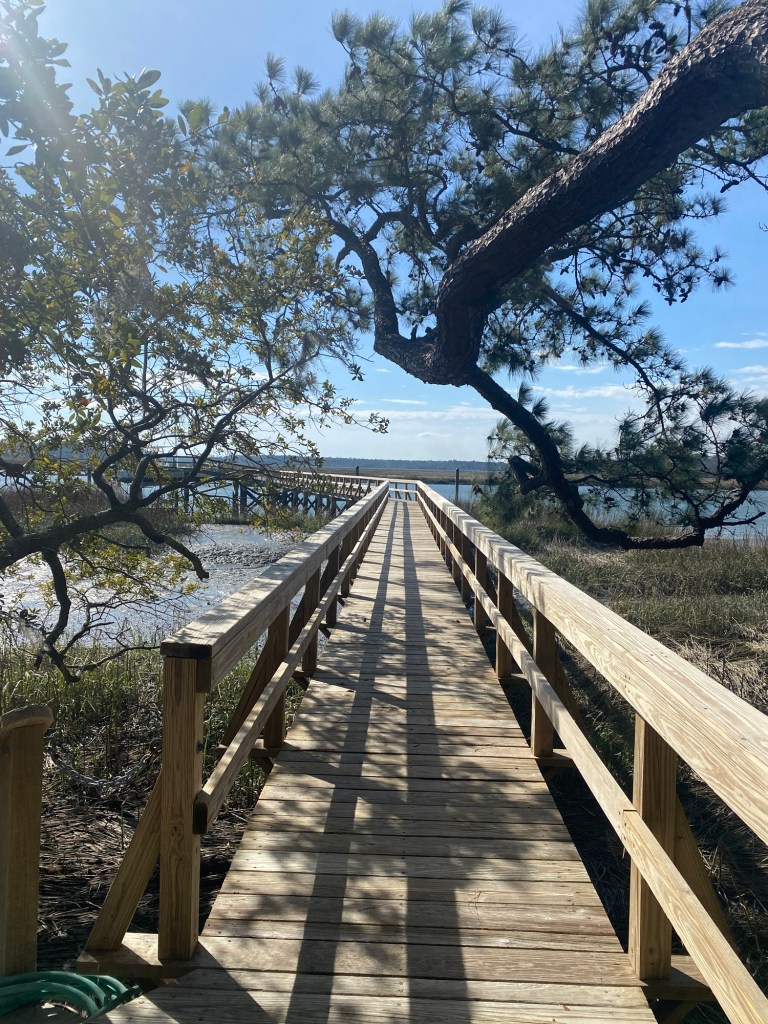
To me docks represent the ultimate pathway to fun, and their weather-battled patina against the sky and the water literally take my breath away.
Screenshot
Typically I am not a fan of dark green, nor brown, but when you look at a magnolia tree up close, it’s hard not be awed by their synergy.
Spanish moss is everywhere around here and if you can’t beat ’em, I say join ’em.
I even got carried away when selecting gravel for the driveway ….
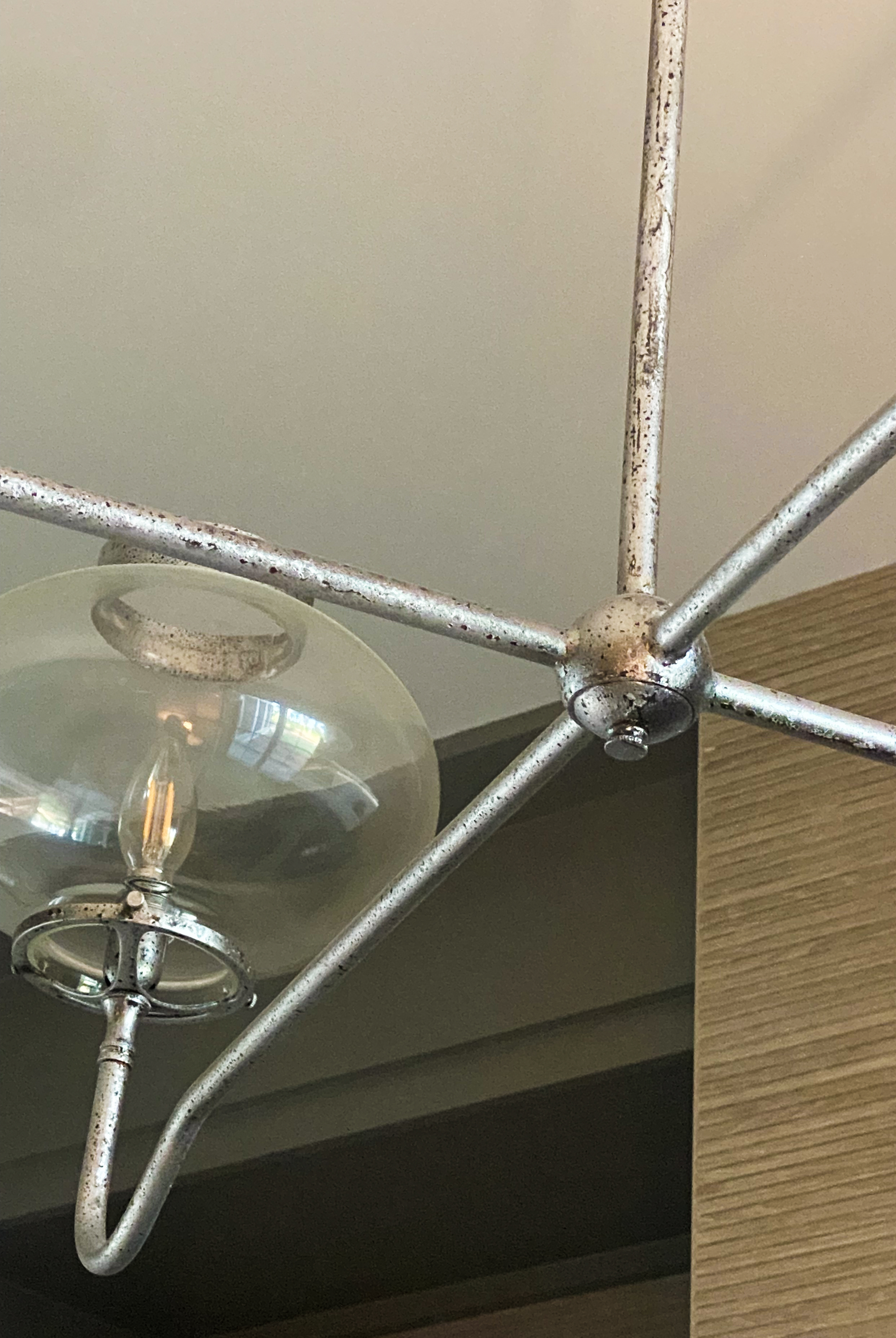
At sunset, there is this burnt orange glow off the trees, and I think that drew me to this rustic finish on the sitting room chandelier.
What inspires you? Have I missed any other obvious low country images to consider? House isn’t done yet, so ideas welcome!
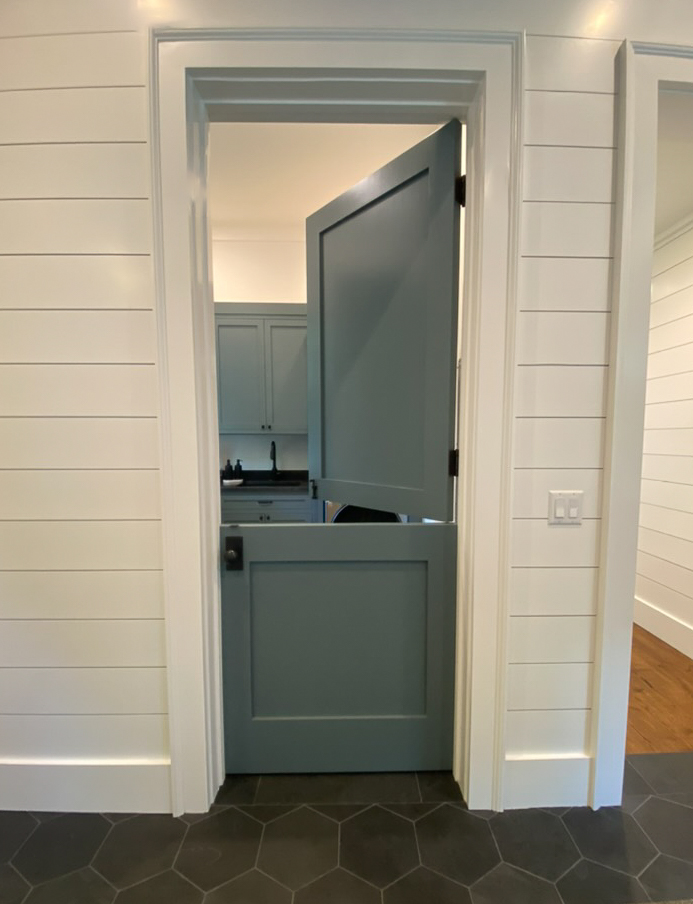
I always enter through the MUDROOM, so I’ll start the tour here. My inspiration pictures for this small, simple space were surprisingly complex and numerous but can be boiled down to these priorities:
1) LOW COUNTRY VIBE 2) TEXTURES and LAYERS 3) NATURAL LIGHT
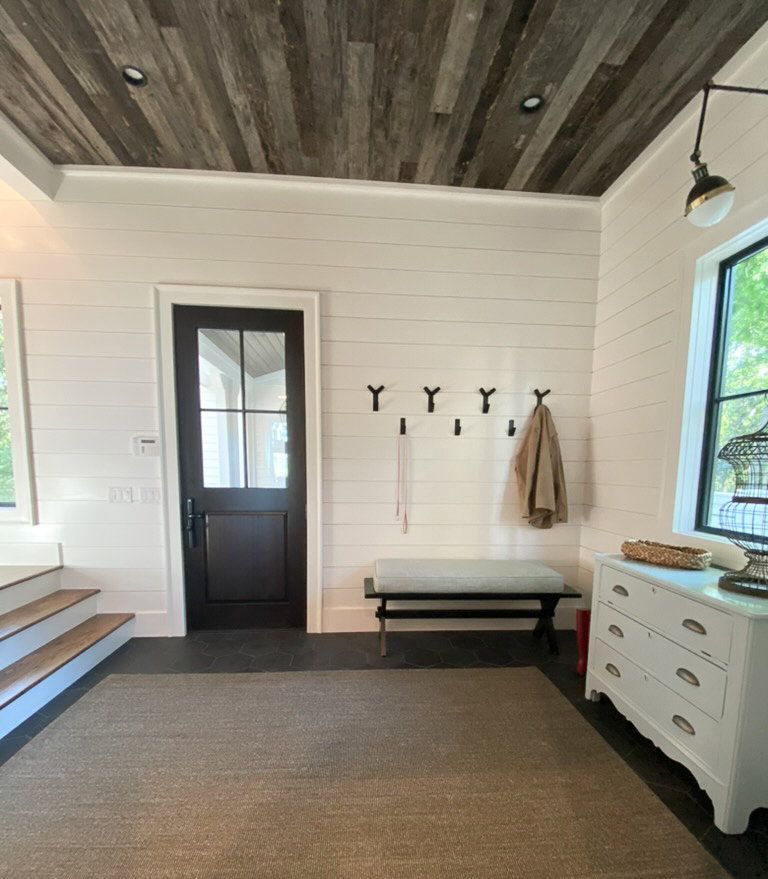
And here’s the result:
Some key details that were important to me:
RE-CLAIMED WOOD: The ceiling is planked with wood found at RePurpose Savannah – a local group that helps builders de-construct buildings and save materials for re-use. These gorgeous planks were formerly part of an old church in Savannah.
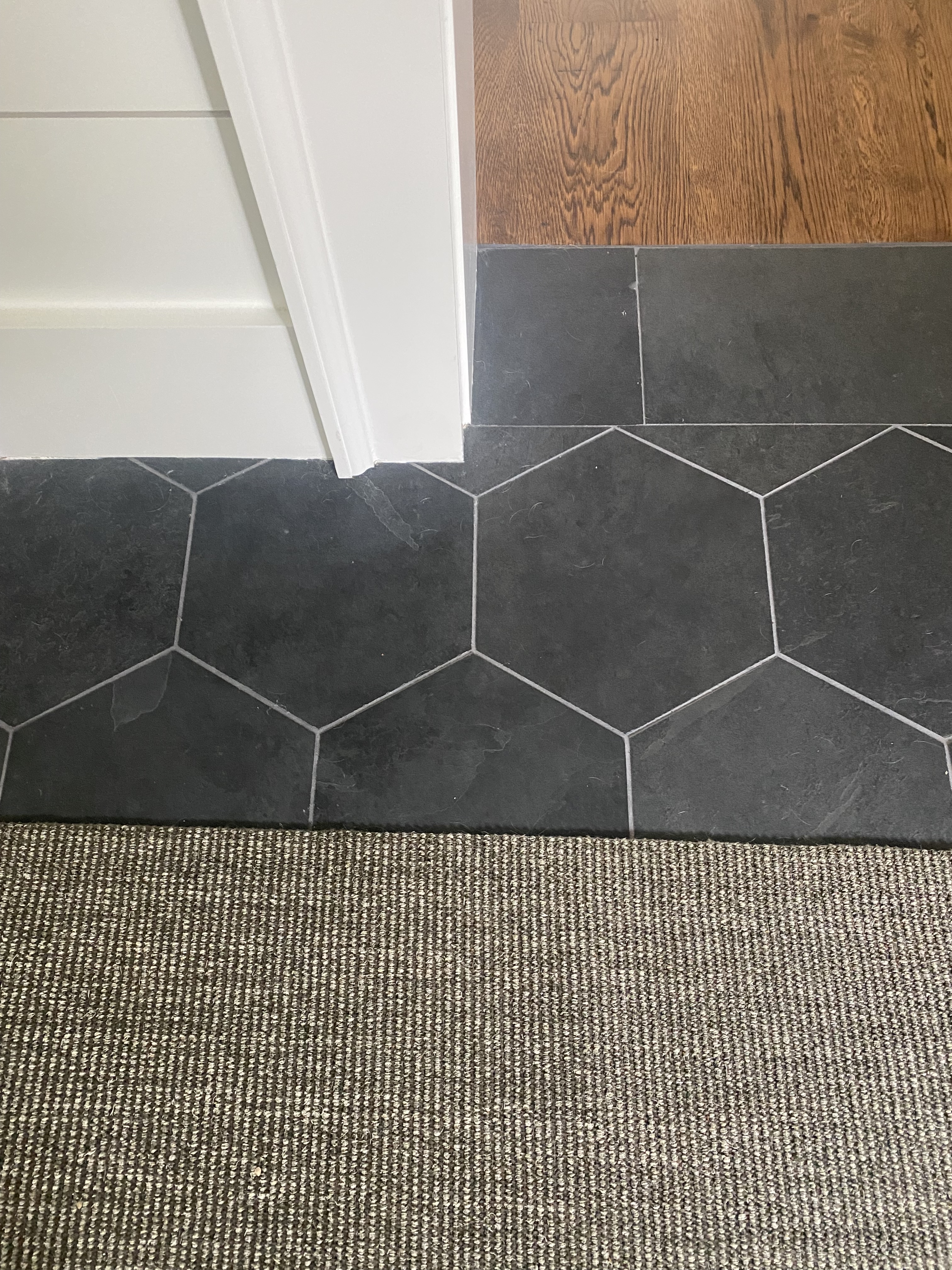
LAYERS: Each unique material builds upon the other, creating a rich, warm room. Octagon shaped slate floor tiles are accented with a sisal carpet, bordered by white oak floors and framed with nickel board planked walls – capped with the re-claimed wood ceiling. Now that’s #lowcountrylayering.
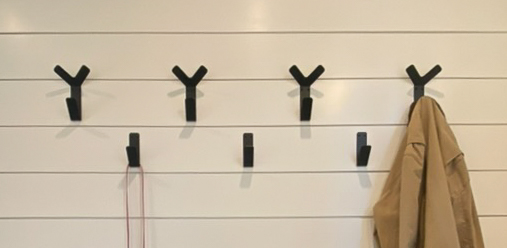
SMALL DETAILS: Building actual lockers would have created a heaviness and clunkiness that just didn’t fit the space. Modern hooks from Room and Board lift an open wall into modern AND practical.
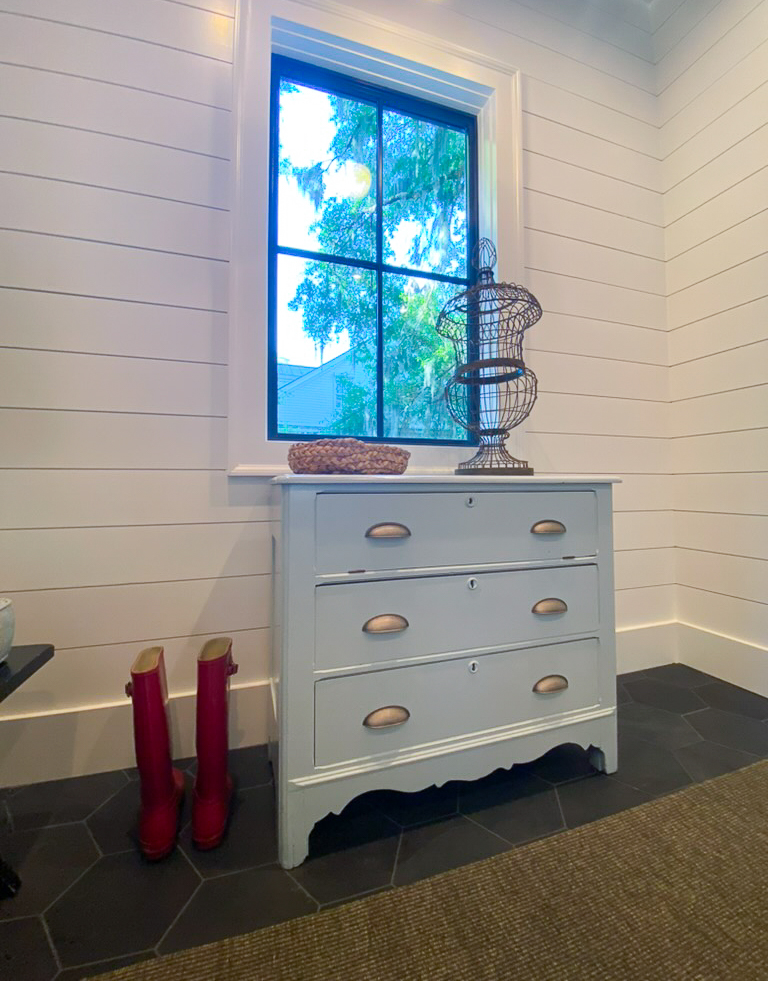
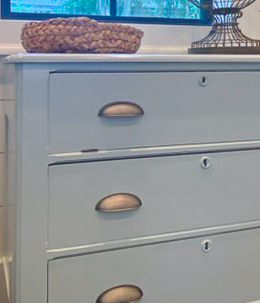
RE-PURPOSE WHERE POSSIBLE: Painting and re-using one of my favorite chests of drawers from my parents presented a perfect opportunity to add a touch more of low country haint blue to the home. It’s perfect for holding hats, sunscreen and all the little things that normally get relegated to baskets.
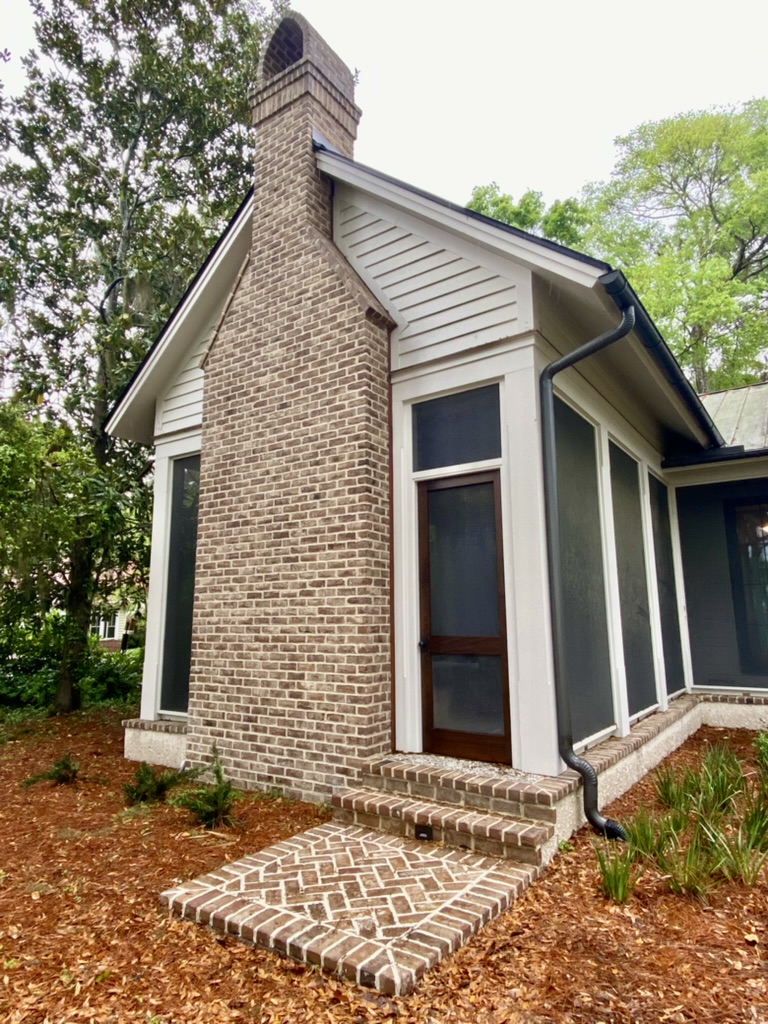
At the top of our priority list in designing the floor plan was a screened porch. Both Todd and I grew up with them and quite simply, nothing duplicates the magic of a porch. Not even the magnificent floor-to-ceiling windows our architects incorporated along the entire west-facing elevation. Porches blend the outdoors with the indoors and create additional living space that is entirely different from the rest of the home.
Unlike in our hometown Chicago climate this additional living space in the lowcountry can be used 12 months a year with 1) the short exception of pollen season (more on that in a later post) and 2) the addition of a few climate-related appliances to manage the wide swing of temperatures of the South Carolina coast.
Luckily the Habitat Review Board of Spring Island does not include the screened porch as part of our square footage allocation, so we could add this valuable living space without eating into restrictive square footage maximums. All the more reason why we its design and functionality was so important.
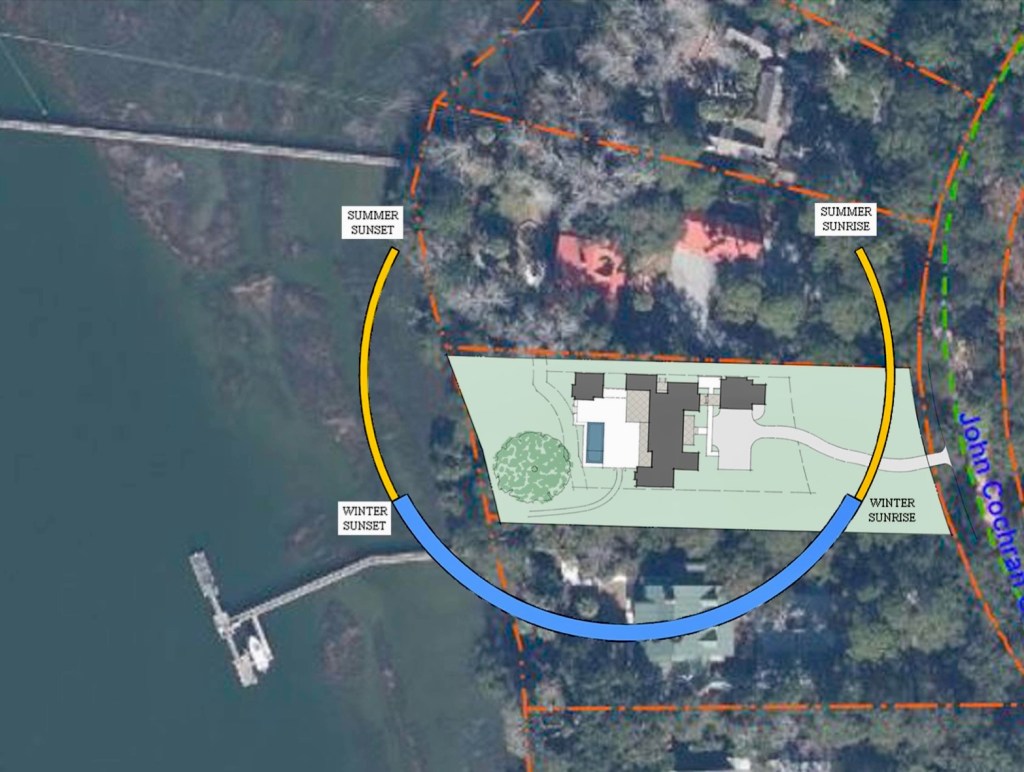
Three key elements came into play for us during the design process: 1) positioning the porch on the property to maximize the western views, frame sunsets and capture the cooling breezes, 2) creating a space that encouraged family together time – which in our family requires a TV, fireplace and dining table.
Our architects (Court Atkins Group) initially located the porch directly off the kitchen and right outside of the great room. The logic of this choice made some sense – ease of serving meals and closer to the dock. However, views of the water from the kitchen would be blocked and the natural light coming into the Great Room would be greatly diminished. So not ideal, and ultimately a deal breaker.
We studied the sun movement over the course of the year to determine how to maximize the sun (and of course, the sunsets).
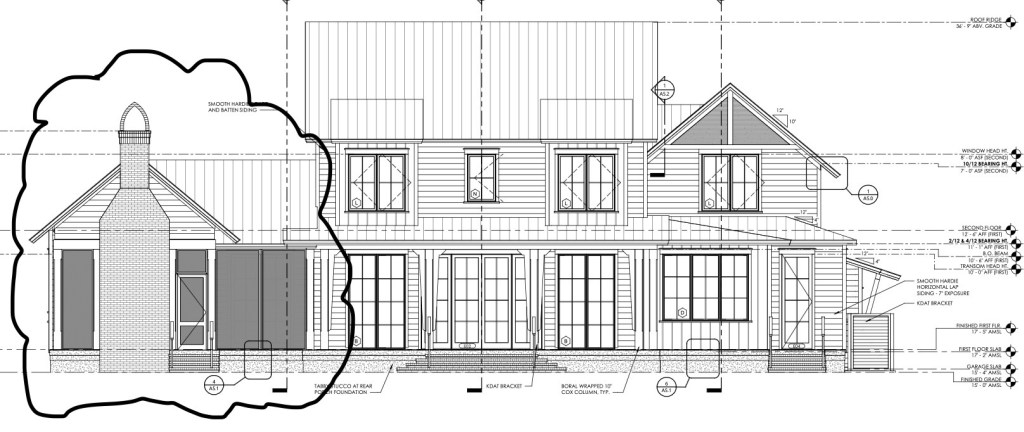
After many other iterations, we landed on putting the porch off the north side of the house. This improved the home’s natural lighting and opened its view corridors. Also, because the porch is connected to the owner’s suite, there is now a quiet, private outdoor place for morning coffee, and fresh air flow screened from the elements.
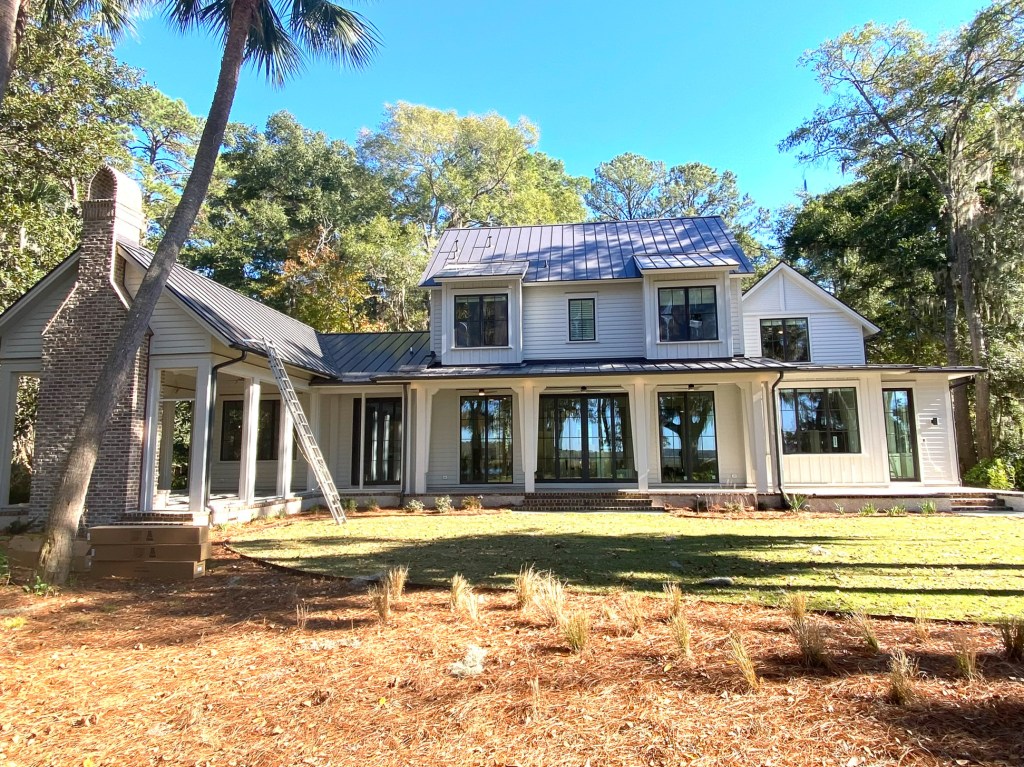
Going from plan to reality ….
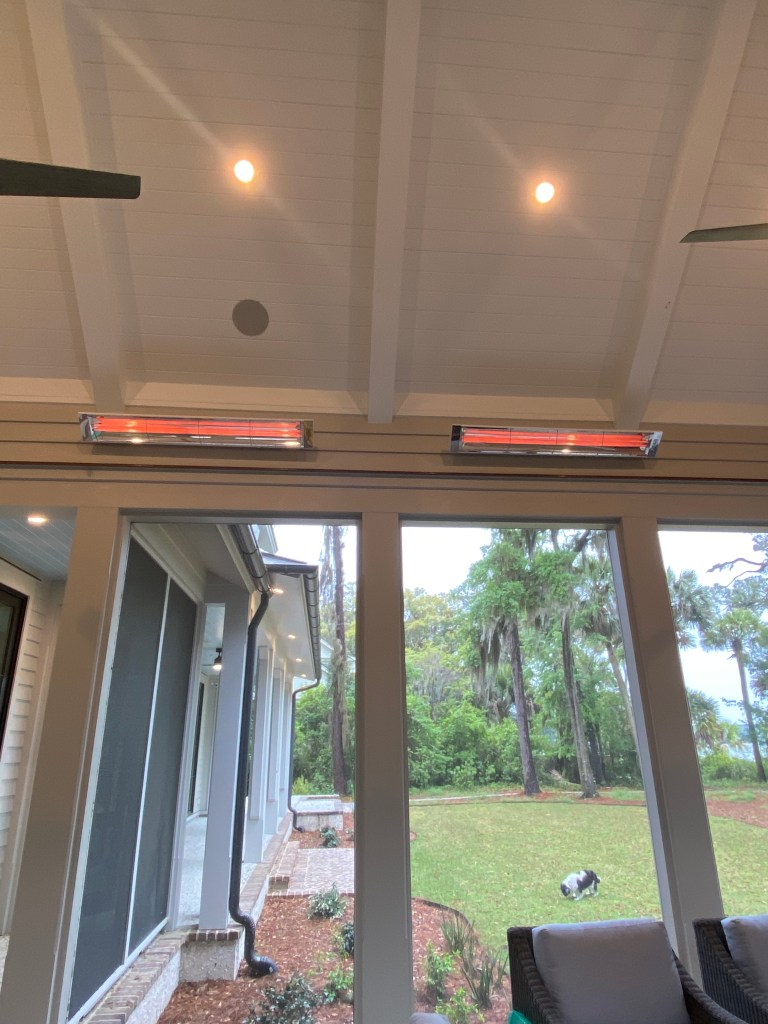
Ceiling fans, vaulted ceilings and infrared heaters extend the use of the porch across both warmer and cooler months. Game changers!
The sunsets we see from the porch are our reward for all the planning …
We took our inspiration from spaces like these. Stay tuned for our own final porch results!
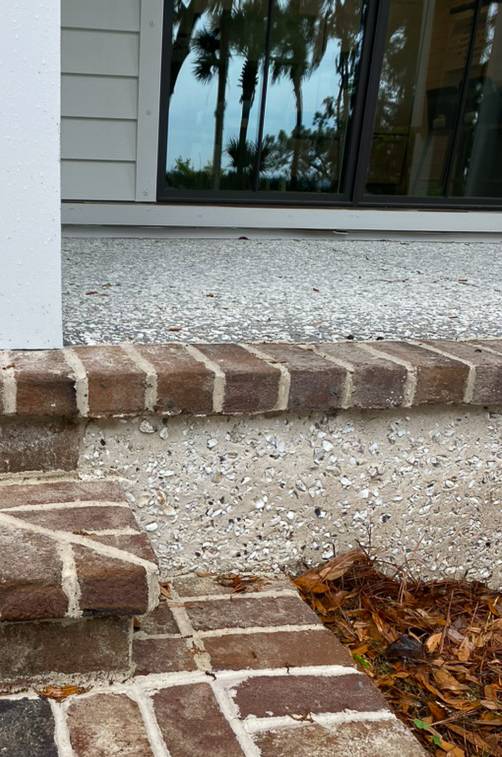
One of the first Low Country materials I became enamored with is TABBY. An early form of today’s concrete, tabby is made taking oyster shells – visible everywhere you look in the local marshes – crushing them and mixing in lime and water to make a soft paste that is poured between wood forms and left to harden. It has outstanding structural integrity and straightforward to work with.
Examples of original tabby structures exist through out the low country. On Spring Island there is a grouping of ruins dating back to the 1800s that show the tabby construction technique brilliantly.
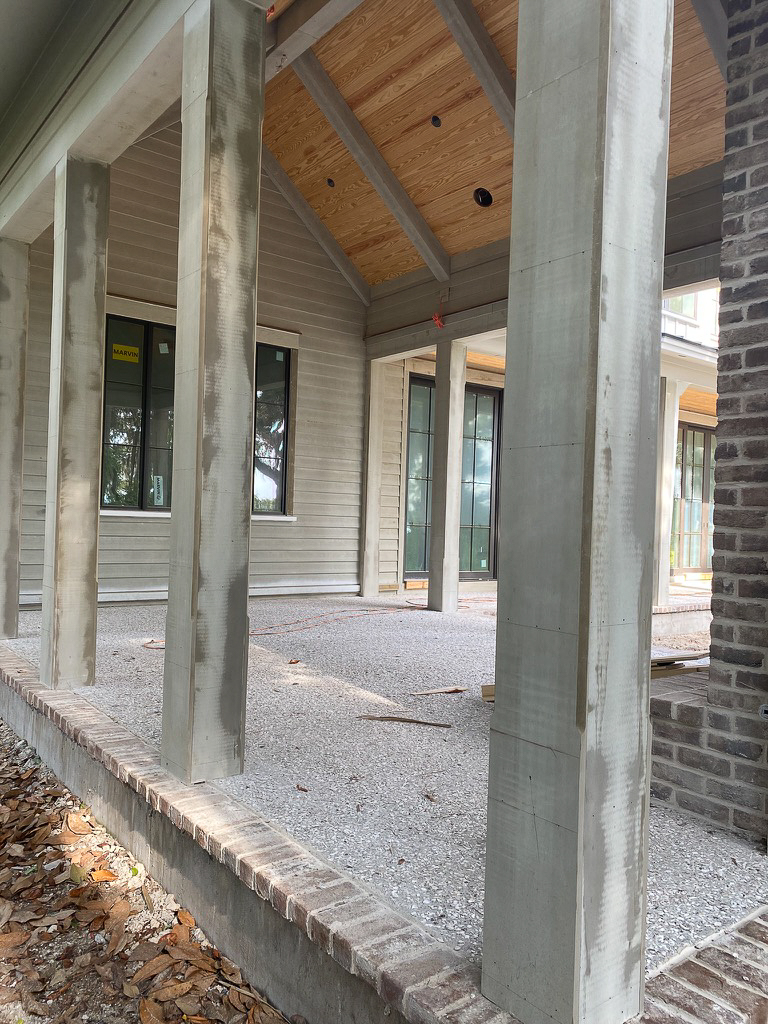
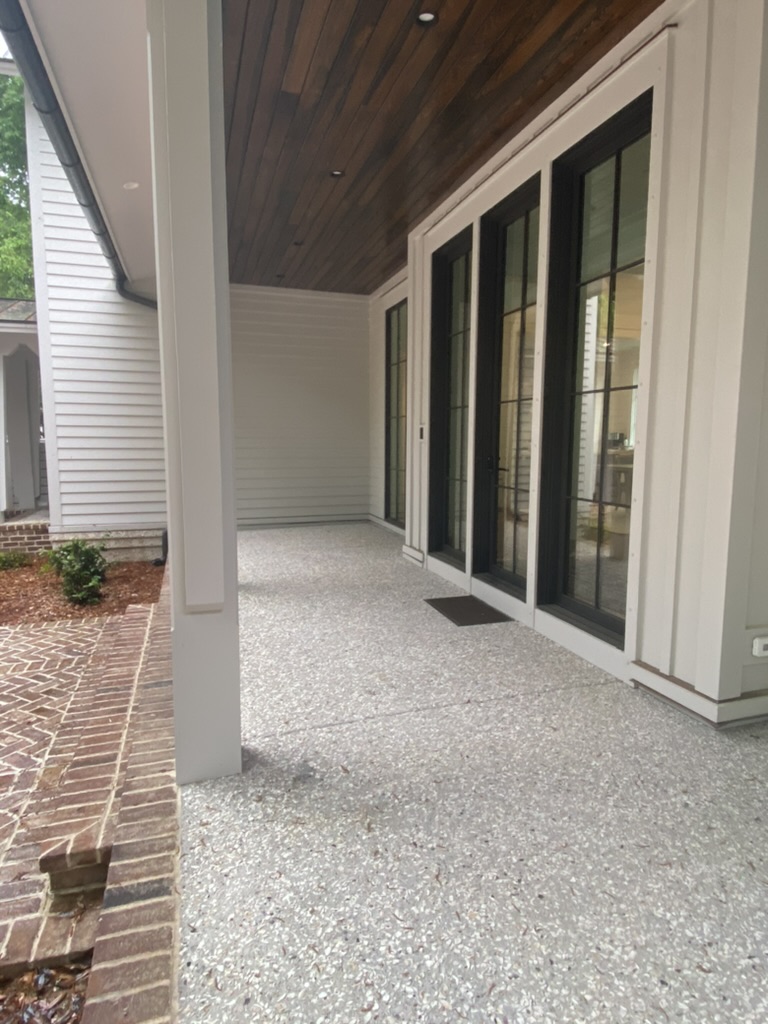
For our home, we used today’s version of tabby in both decorative and structural ways – adding texture to foundation walls, and enhancing the porch floors.
I was curious about the environmental implications of the oyster shells being used in construction materials. On one hand, tabby concrete using oyster shells has been shown to emit less of the air and environmental pollution that typical concrete emits. Also, it is typically sourced locally so results in a smaller carbon footprint from transport. On the other hand, as The Marine Resource Research Institute explains, over-farming the oysters can lead to reef depletion. Oyster shell tabby concrete is a small slice of why the oysters are farmed; the environmental impact is worth thinking about, as are its many positive features.
I won’t pretend to be a knowledgable historian or anything but an interested new-comer when it comes to the concept of “LOW COUNTRY”. I grew up in the midwest, went to school in New York state, dabbed my toe in Dallas for a hot minute, then circled back to Chicago for business school and stayed to work and raise a family.
It wasn’t until the middle of the 2020 Covid quarantines when, desperate for a change of scenery, Todd and I jumped in the car and headed south that I was introduced to the term “low county”. I became intrigued/slightly obsessed with unraveling what this meant, and more specifically, what it might mean to live in, design for and become part of “low country living.”
Low Country by definition is the region of South Carolina that runs along the eastern shore of the state, south of the Sandhills, bordering the Atlantic coast and buffered from the ocean by salt marshes and tidal rivers. Nine counties and a population of roughly 1.1 million people further define the region.
As would be expected the region’s residential design seems to have evolved from 2 factors – climate and its early settlers’ culture. It’s the combination of those two things that make this area unique and beyond cool. I’ll delve into the cultural influence of the region’s earliest residents in a future post; for now here’s how the salt marsh climate of the low country might impact a HOME’S DESIGN, and how we took those concepts and made them our own.
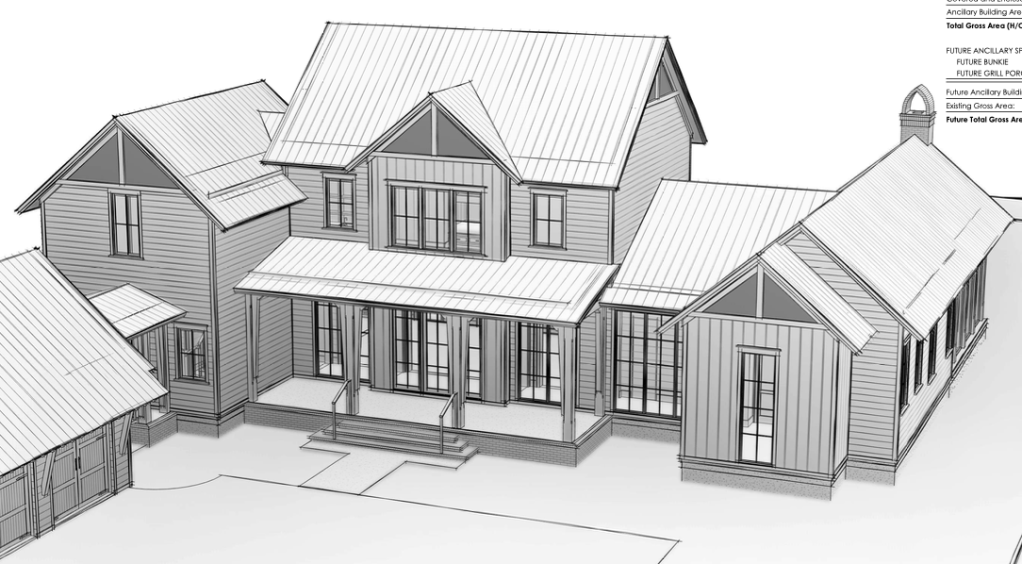
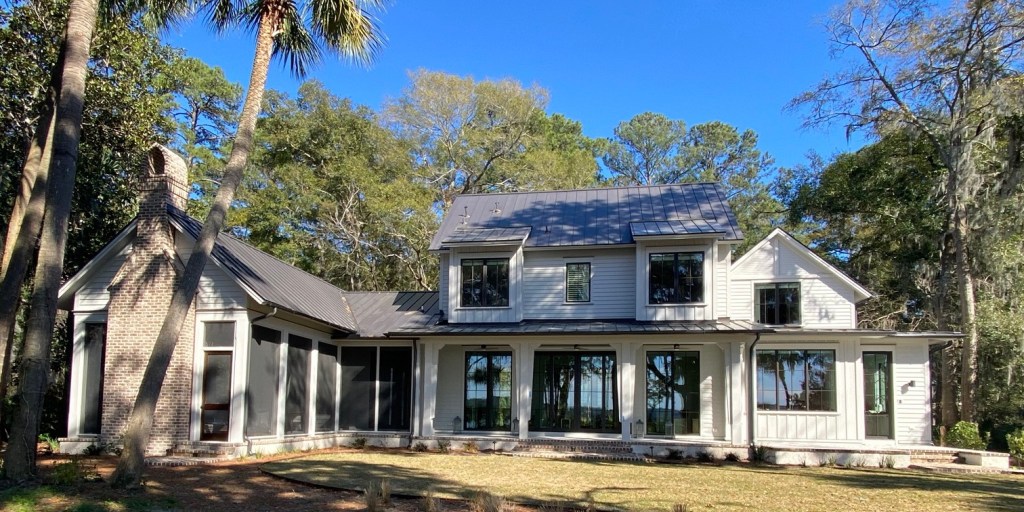
Many low country homes have FLOOR PLANS that are a serious of smaller masses, rather than one large structure. Two reasons for this: the first to add windows and openings that increase air flow, and the second is to separate functions (i.e. kitchens were often their own unit) and allow rooms not being used to be closed off. Because of the hot, humid summers many family members often left for the cooler mountain breezes this time of year, leaving behind empty unused spaces.
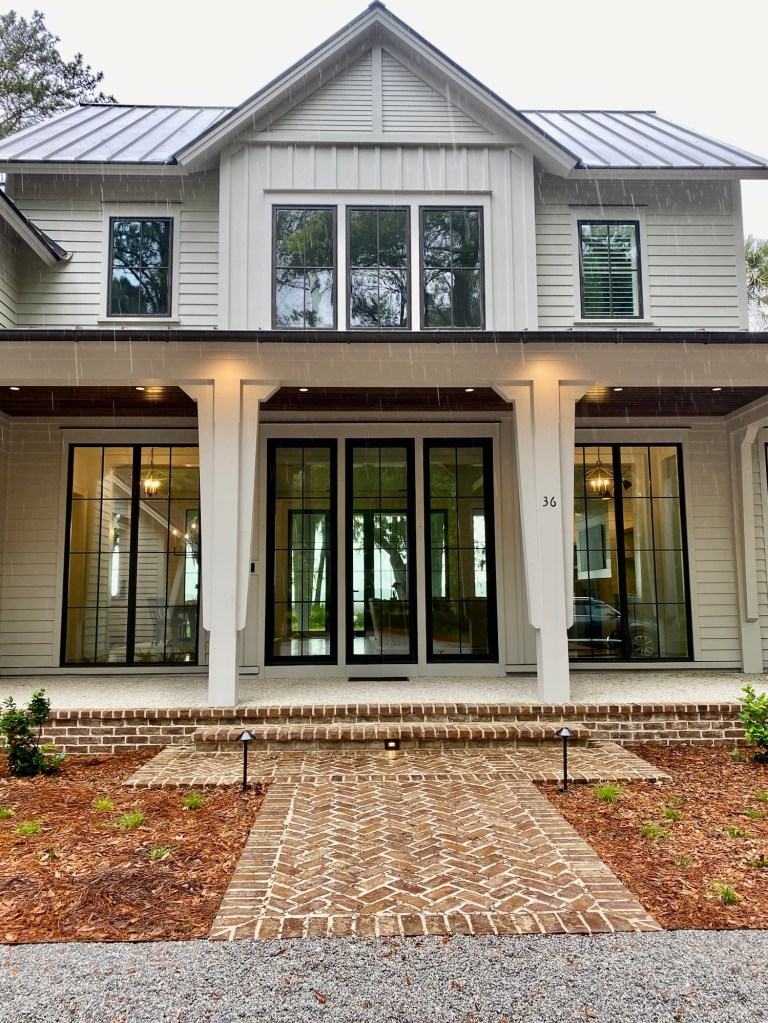
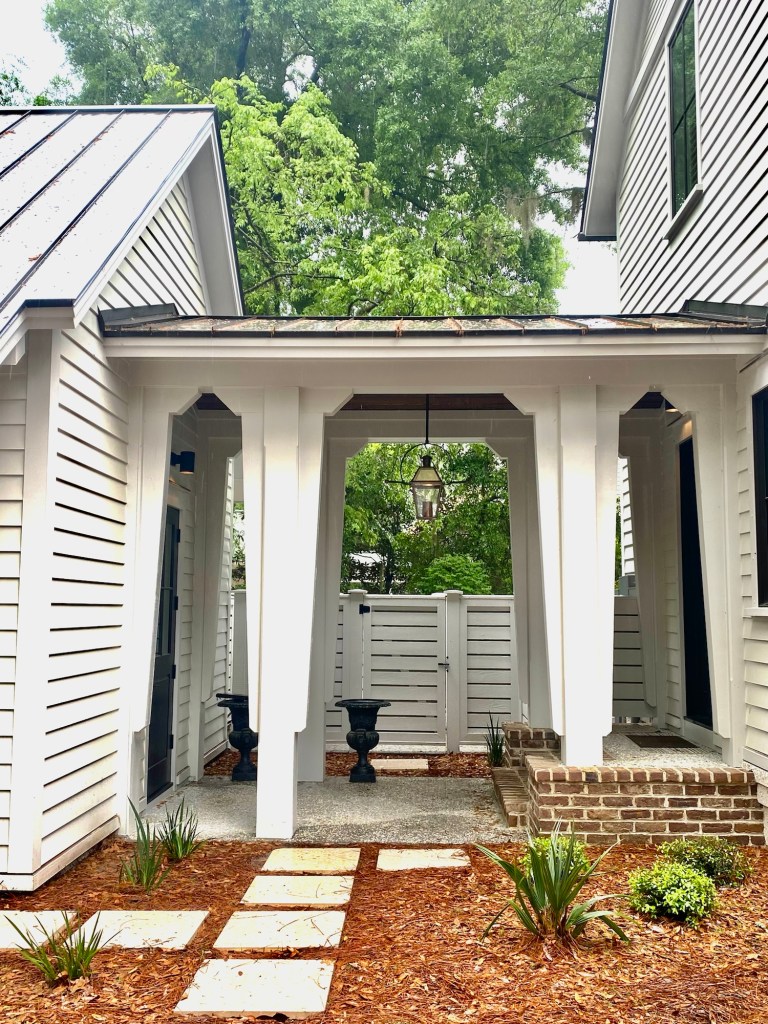
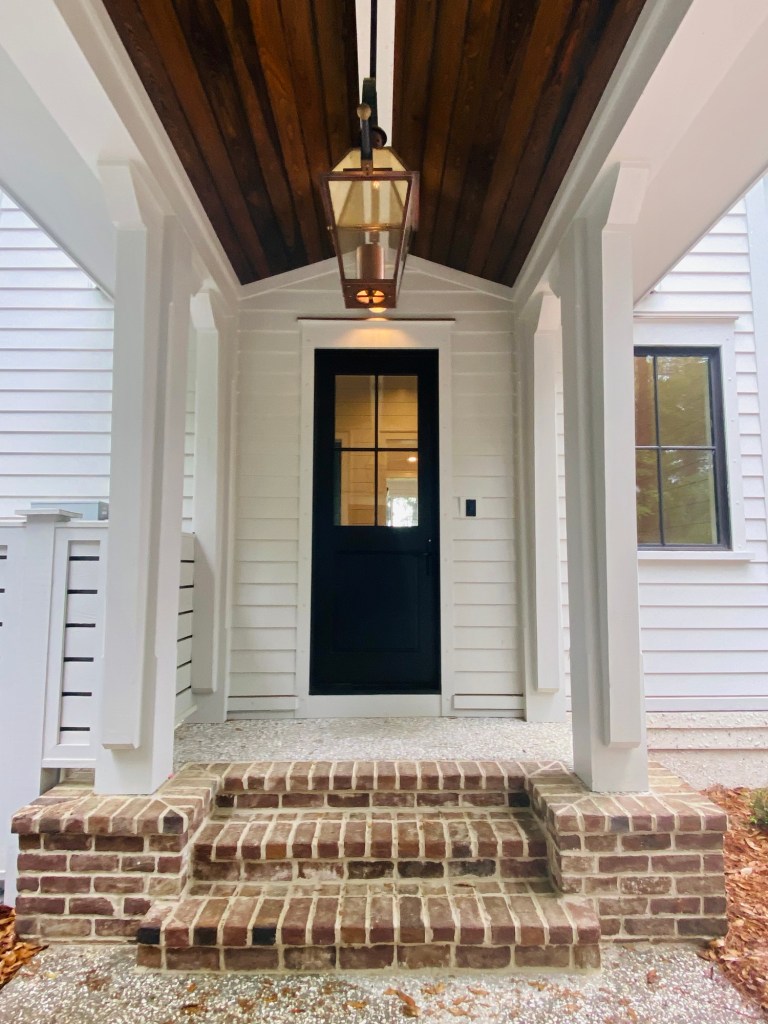
Open air BREEZEWAYS are frequently used to connect these multiple smaller structures. PORCHES obviously bring in breezes and provide cover from the hot sun. We choose to do an open air porch in the front and screens in the back.
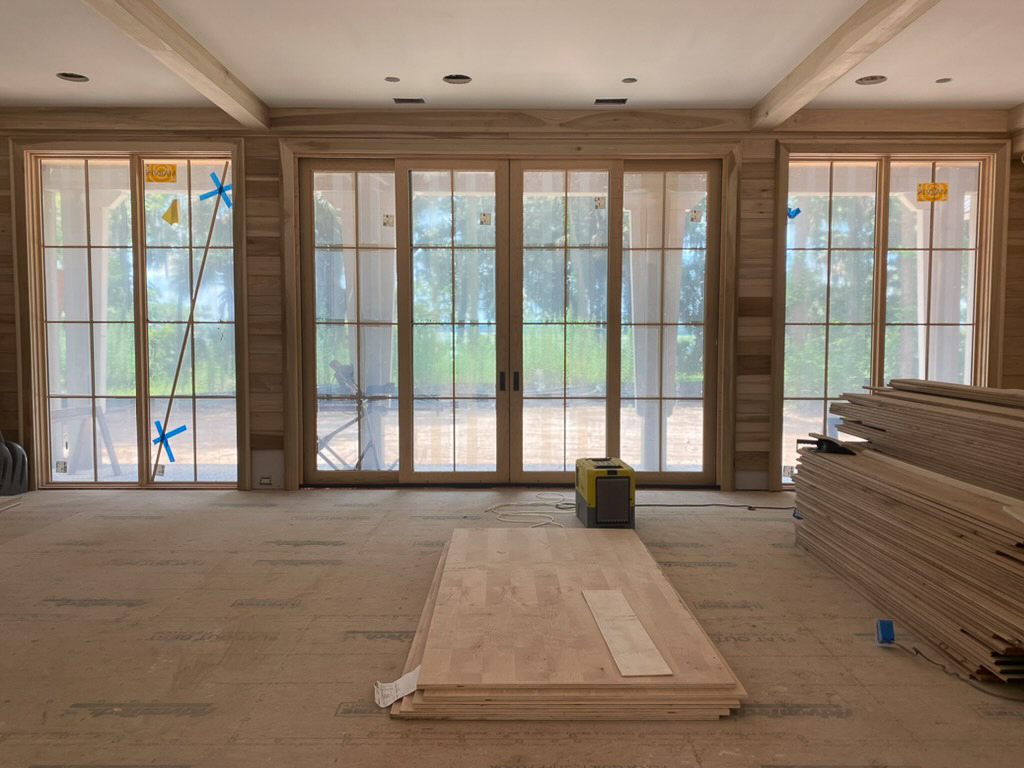
Large scale WINDOWS and DOORS are also typical low country features for the same reasons. We clearly nailed the large scale part, but opted for a modern version instead of more traditional double-hung or windows with transoms above.
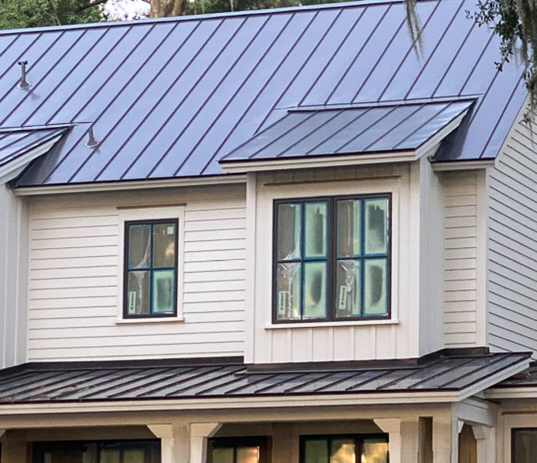
Historically, low country homes combat hurricanes coming off the Atlantic with SHUTTERS. To create a more sleek modern look we skipped the shutters and opted for wind and shatter resistant glass on the second floor, and a system of temporary wind resistant vinyl screens that can be covered over any glass on the ground floor.
Do you know of other ways the “low country” vibe has been modernized? Please share below!
Next up … low country building materials and architectural details ….
On January 22, 2024 after much angst, many delays and a few snafus we did it! Received the CERTIFICATE OF OCCUPANCY from the County, which means the house is livable and legal.
Turns out livable and completed are two different things so we are not quite across the finish line, so I’ll catch you up on everything that’s been going on. First, though, let’s celebrate getting the CO with a few of my favorite images from our new home away from home.
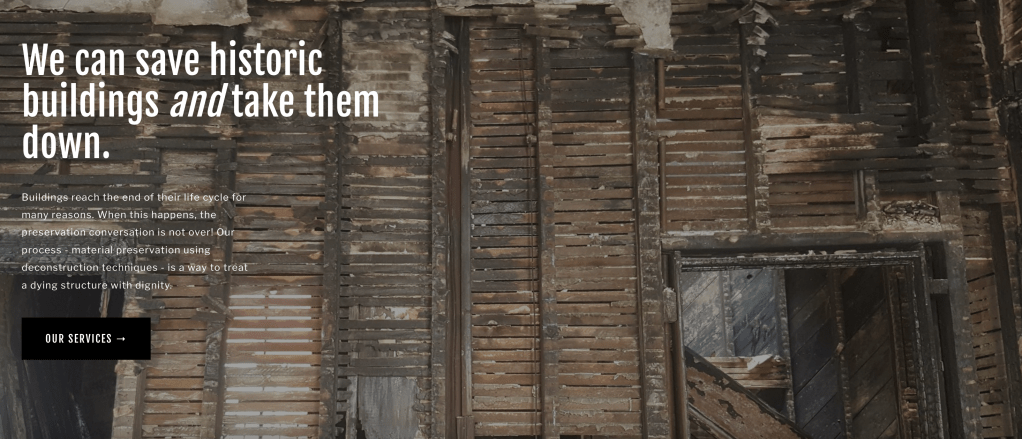
What’s old can also become what’s new, and re-using materials from local buildings that are being taken down is such a cool way to not only lessen what gets sent to landfills but to also capture a bit of local history for your own. RE-PURPOSE SAVANNAH is just the organization to help us do this. They are a women+ led 501(c)3 nonprofit that deconstructs, salvages and promotes the reuse of historic buildings in the Savannah area.
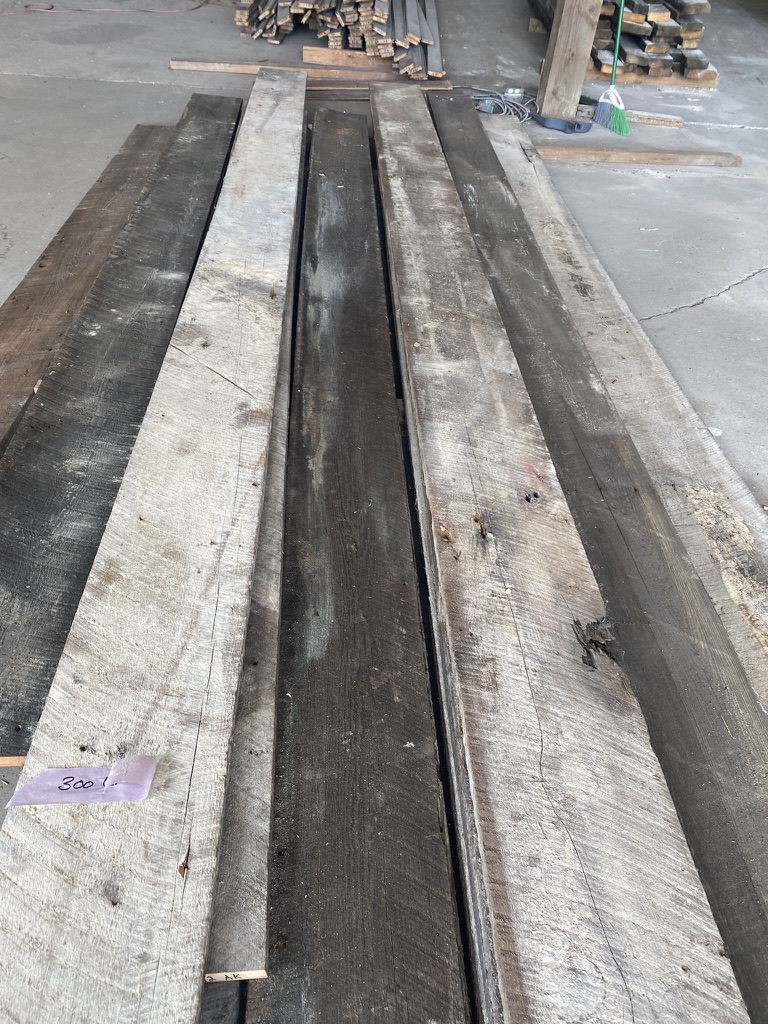
I have spent multiple afternoons culling through their inventory of windows salvaged from churches, planks taken from a historic school house and more, searching for ways to use the materials in our home. Some ideas — butcher block countertops? Mantels? Stair spindles? Reclaimed wood floors?
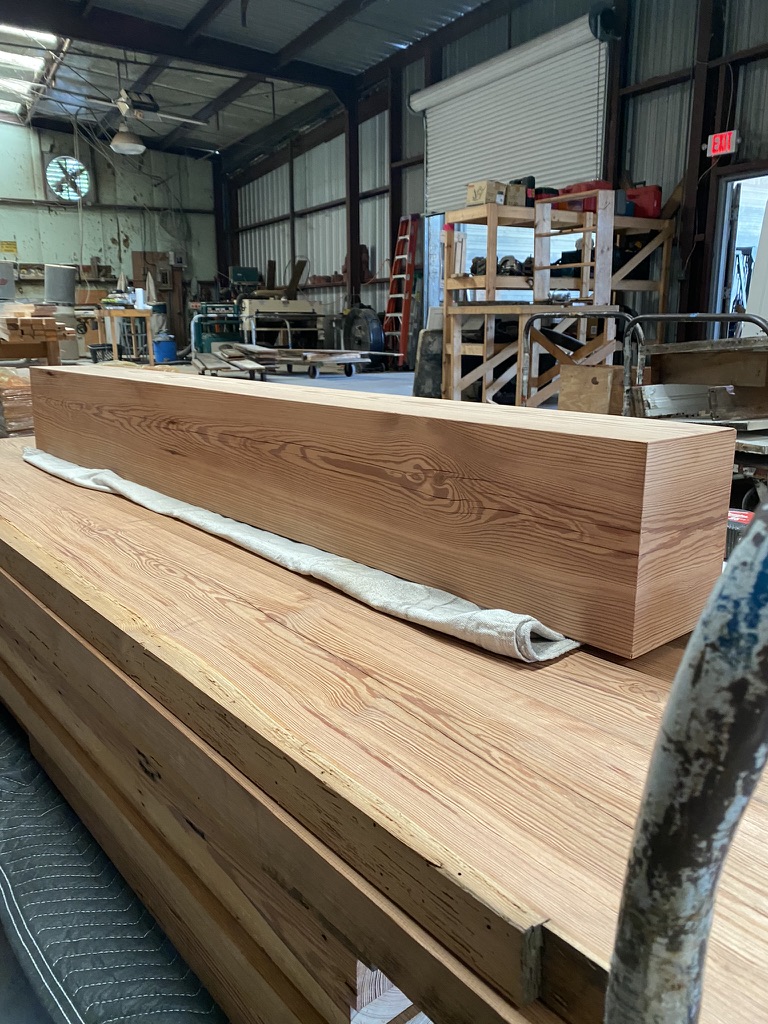
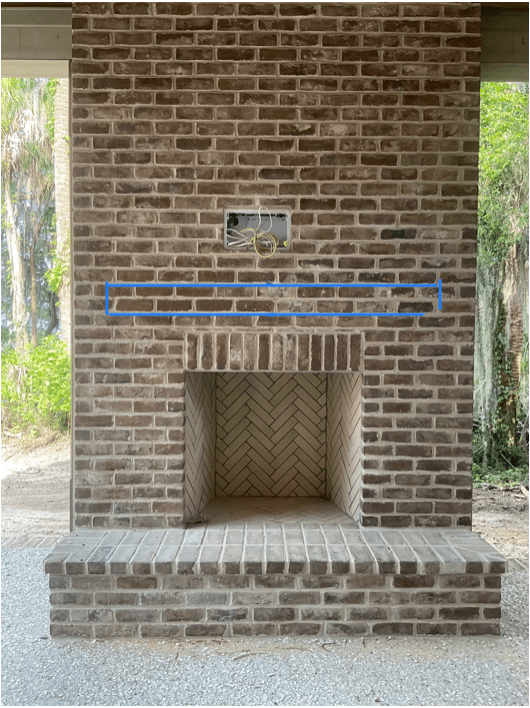
We need a mantel for the porch ….. thinking we can find something here at RePurpose Savannah that can help us create the look we want. Stay tuned!
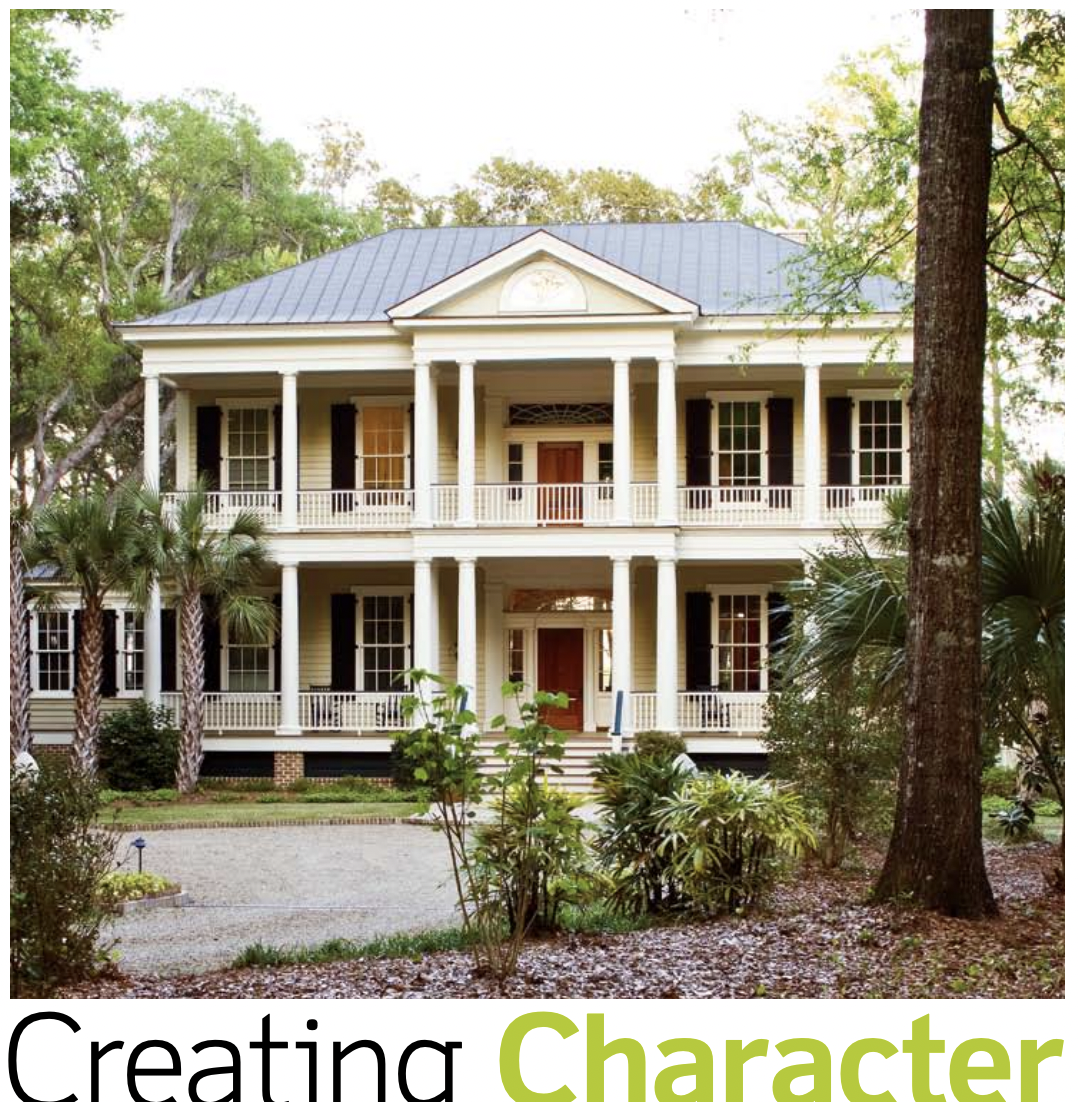
As part of getting a feel for what “low country” means and more specifically what architecture is representative of Spring Island’s allure, I am doing a deep dive into past journals, digging for anything that would help set the table on what we wanted our own space to be. Here’s one such piece, written about a Spring Island home built in 2009 and featured in Southern Living magazine.
The sidebar on the article offers a “Steal These Ideas” list of elements to consider in our own “low country” home. My favorite take-aways:
Doors and windows: capitalize on the surroundings with and maximize visuals of the stunning sunsets and beautiful marsh site lines. We took this advice VERY seriously 🙂
Trim and molding: emphasize the important architecture of a room using flat board, and beams. Easier said than done when you’re on a budget, but we’re trying.
Window treatments: use just to soften corners, not cover up views. (Lowering this budget item helps with that trim and molding budget ….
Our house will feel very different than this more traditional neighbor, as we opted for a more modern feel. Yet my goal is to incorporate these timeless “low country” elements and demonstrate how transferable strong architectural principles can be. Fingers crossed we can pull this off.
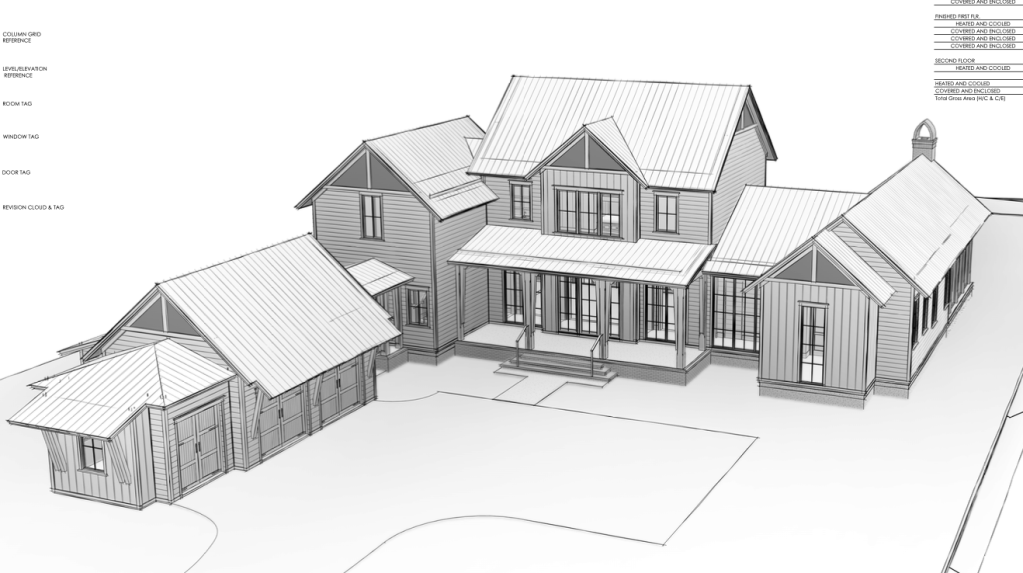
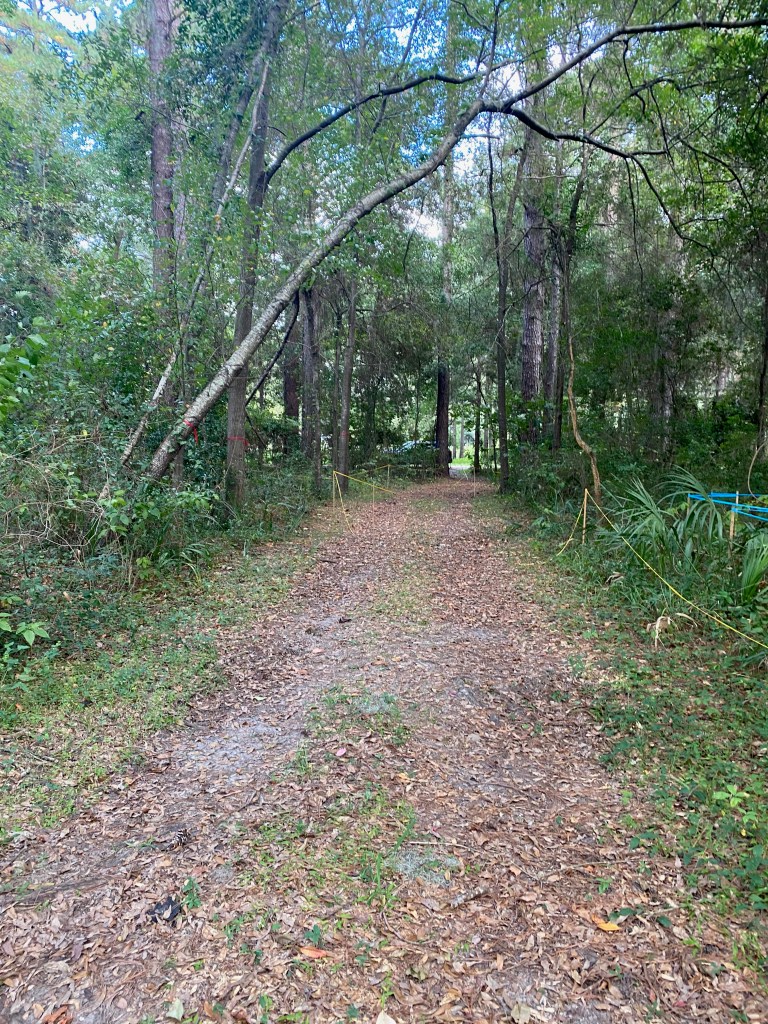
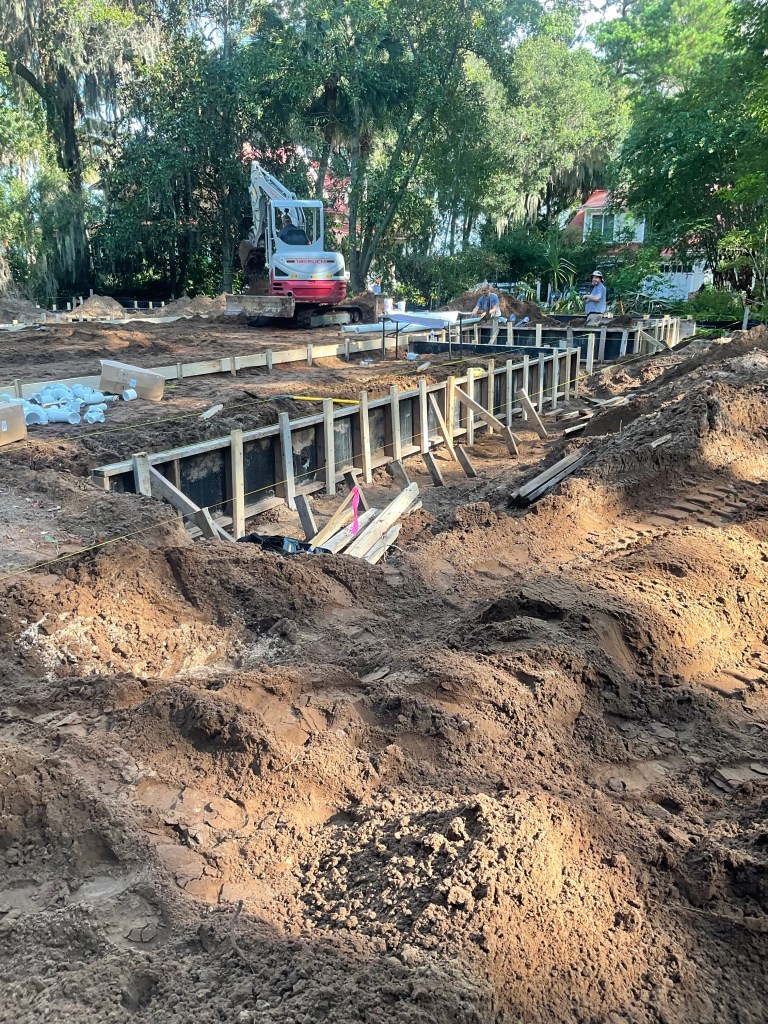
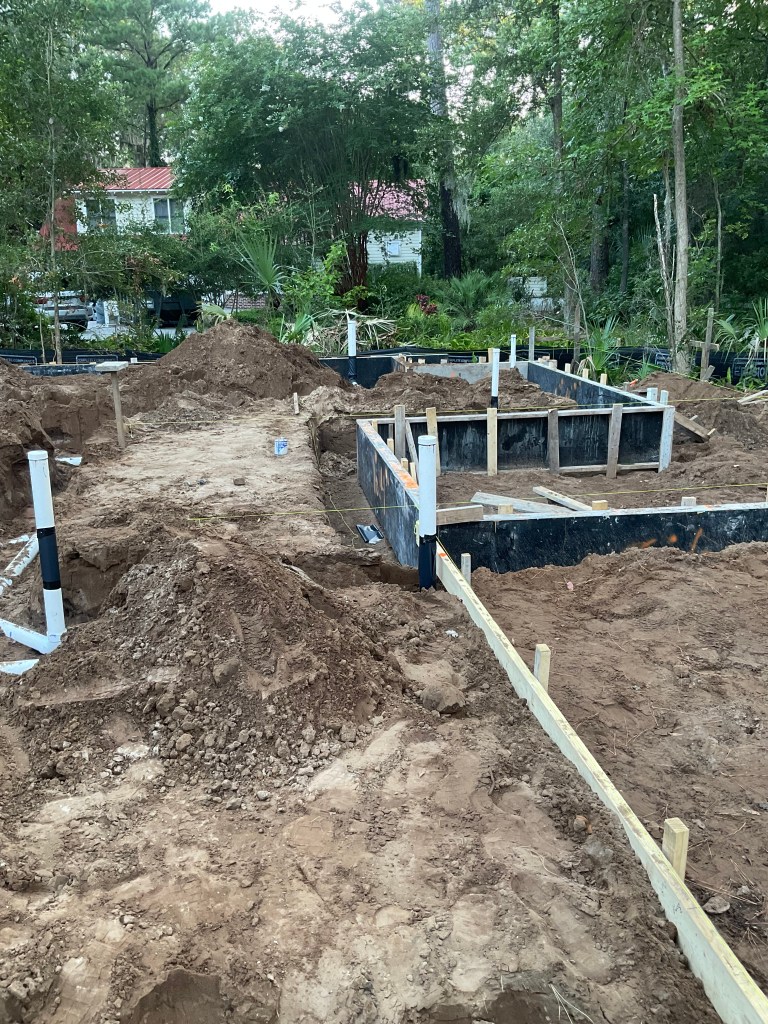
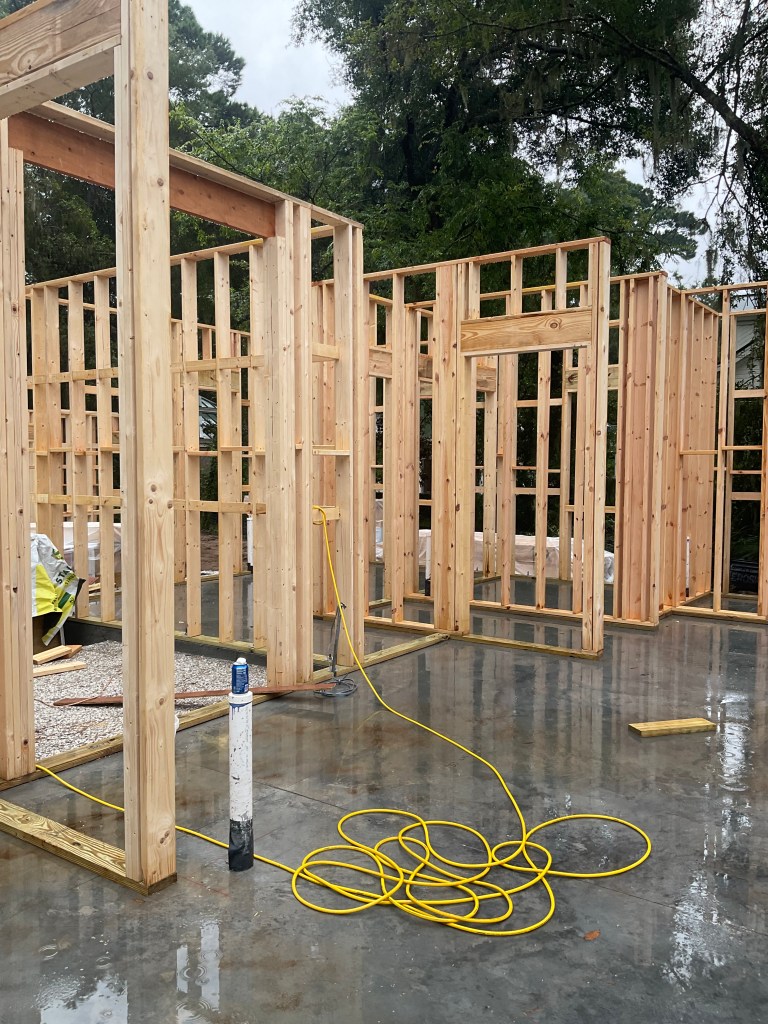
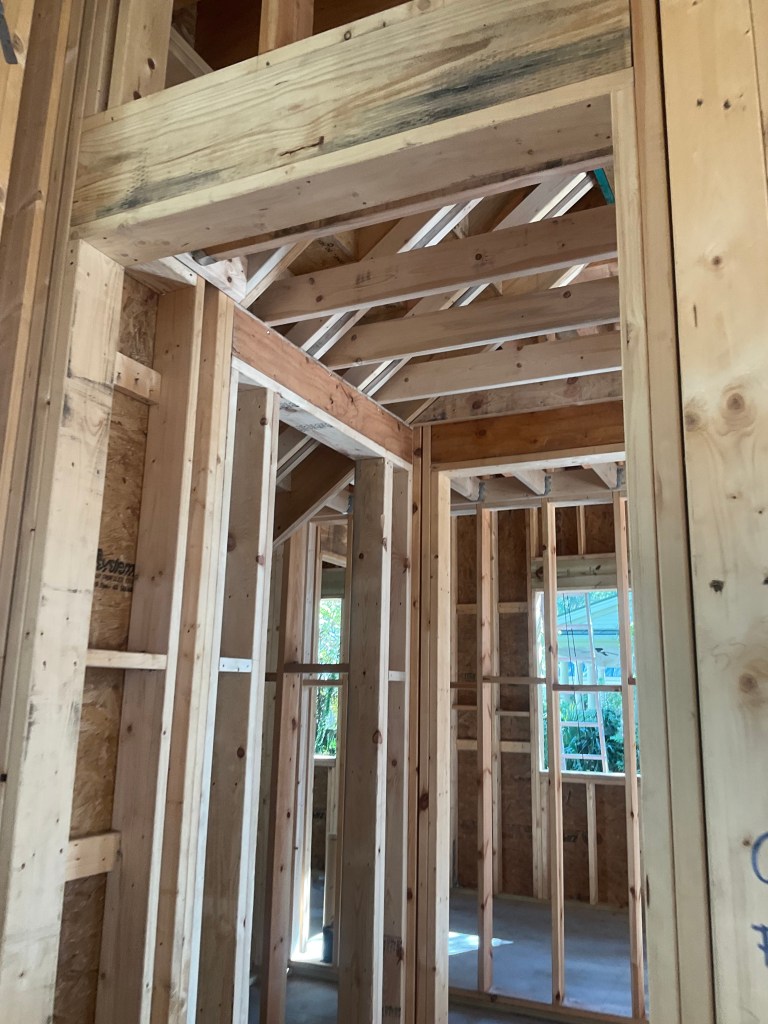
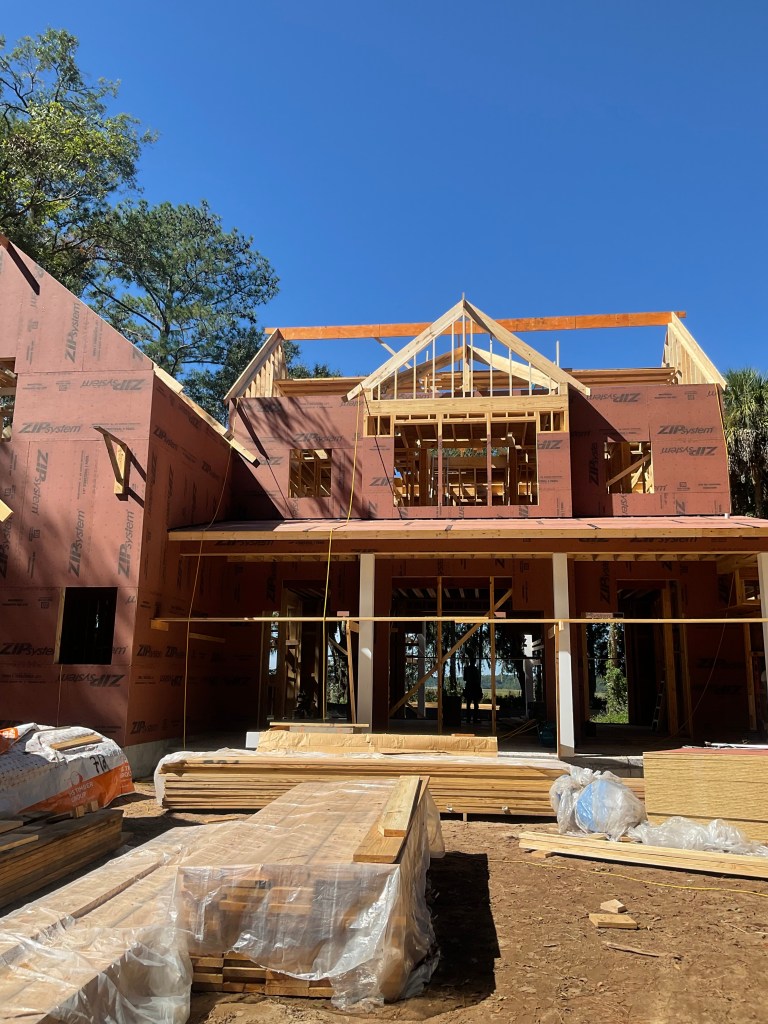
A little progress every day adds up to big results. Started on paper, moved a ton of dirt, poured concrete, hammered wood, pushed our imaginations and look at how far we progressed in 2022. Looking forward to 2023.
































 Building Spring Island